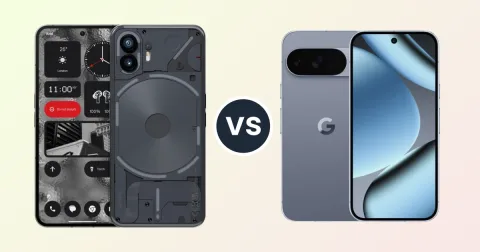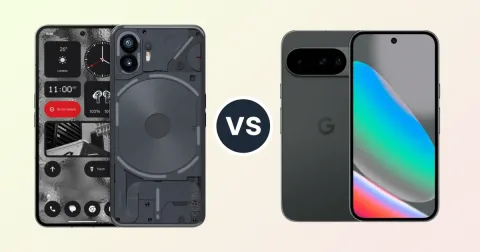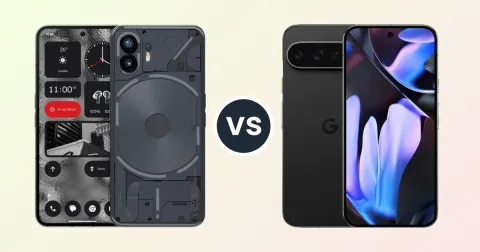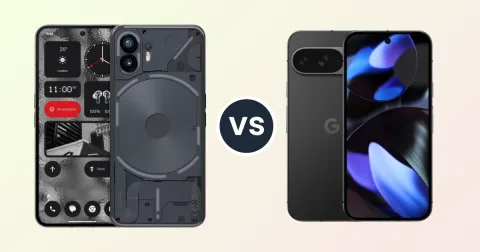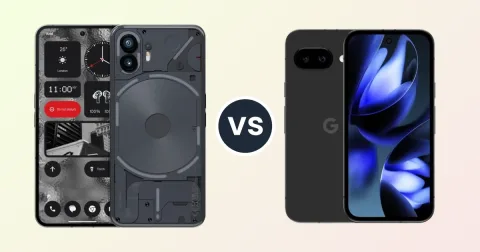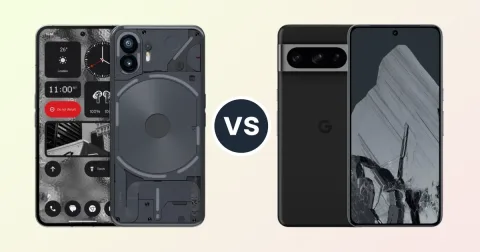
| Name | Nothing Phone (2) | Google Pixel 9 Pro |
|---|---|---|
| Image |  |
 |
| More views | 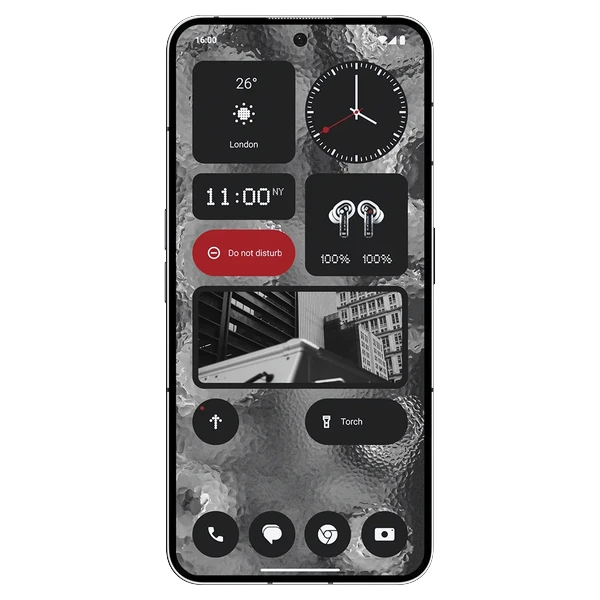 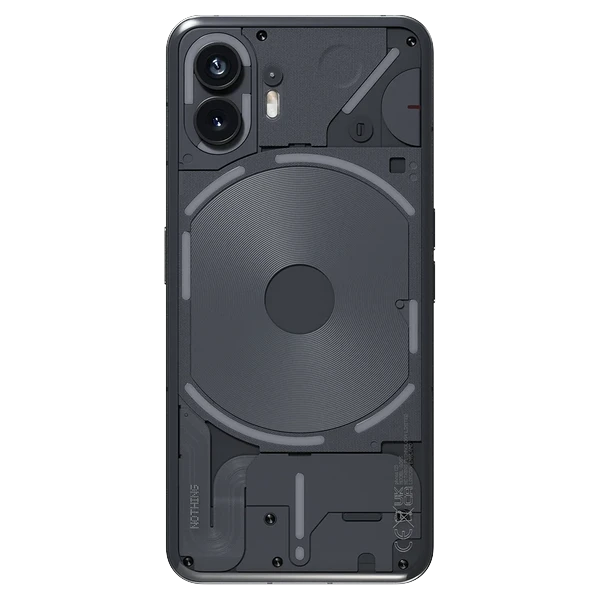 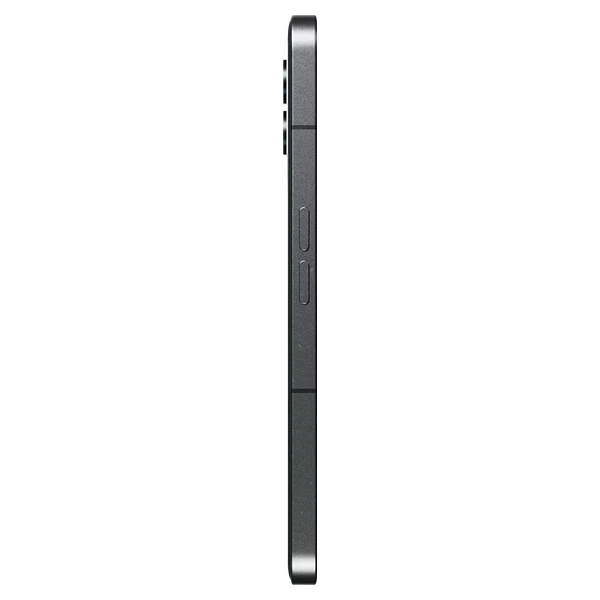 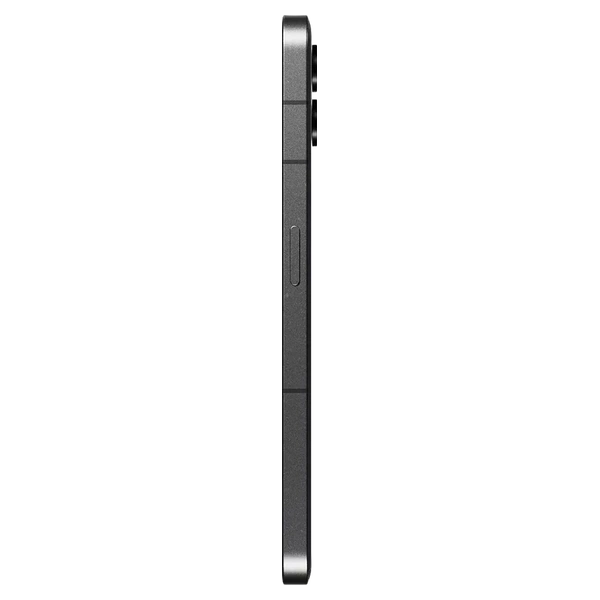 |
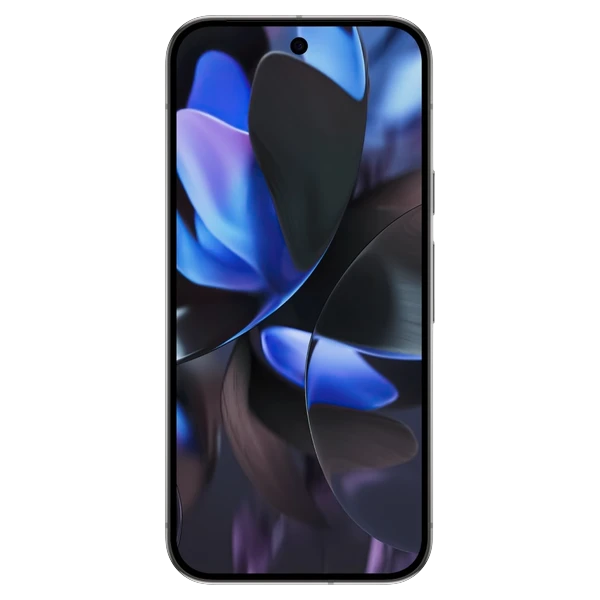 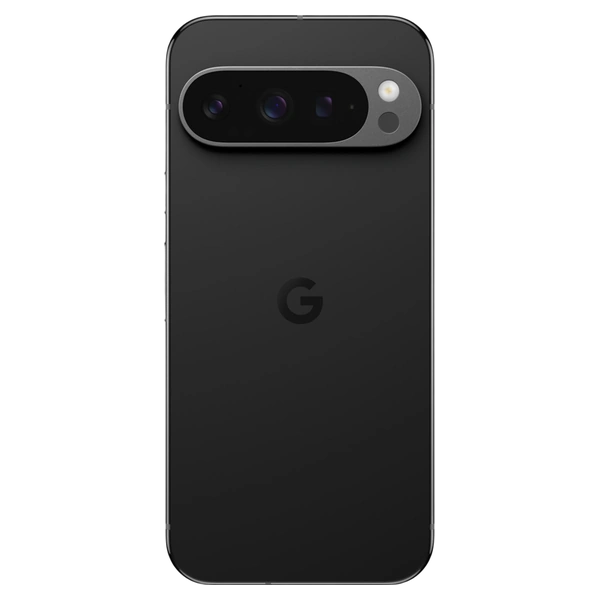  |
| MSRP | $599 | $999 |
| Released | Jul 2023 | Aug 2024 |
| Availability | Discontinued | Discontinued |
| Check price: | Amazon | Amazon |
| Operating system | ||
| Operating system (OS) | Android 13 | Android 14 |
| Latest OS update? | Android 14 | Android 16 |
| Display specifications | ||
| Display type | OLED | OLED |
| Display size (inch) | 6.7″ | 6.3″ |
| Resolution (H×W) | 2412×1080 | 2856×1280 |
| Aspect ratio (H:W) | 20:9 | 20:9 |
| Pixel density (PPI) | 394 PPI | 495 PPI |
| HDR support (types) | HDR10+ | HDR10+ |
| Refresh rate (max) | 120 Hz | 120 Hz |
| Hardware | ||
| Chipset | Snapdragon 8+ Gen 1 | Google Tensor G4 |
| GPU | Adreno 730 | Mali-G715 MC7 |
| CPU cores | 8-core | 8-core |
| CPU clock speed (max) | 3.0 GHz | 3.1 GHz |
| RAM options (GB) | 8 GB | 12 GB | 16 GB |
| Memory options (GB) | 128 | 256 | 512 | 128 | 256 | 512 | 1024 |
| Memory card slot? (microSD) | ❌ | ❌ |
| Main camera layout | ||
| Primary (wide) | 50 MP | 50 MP |
| Ultrawide | 50 MP | 48 MP |
| Telephoto | ❌ | 48 MP |
| Optical zoom | ❌ | 5× |
| Other cameras (macro/depth) | ❌ | ❌ |
| Main camera features | ||
| Photo HDR? | ✔ | ✔ |
| Video HDR? | ✔ | ✔ |
| 8K video? | ❌ | 30 fps |
| 4K video? | 30/60 fps | 24/30/60 fps |
| 1080p video? | 30/60 fps | 30/60/120/240 fps |
| Other resolutions? | ❌ | ❌ |
| Selfie-camera layout | ||
| Primary | 32 MP wide | 42 MP ultrawide |
| Secondary | ❌ | ❌ |
| Selfie-camera features | ||
| Face recognition? | Face unlock | Face unlock |
| Selfie photo HDR? | ✔ | ✔ |
| 4K selfie video? | ❌ | 30/60 fps |
| 1080p selfie video? | 30 fps | 30/60 fps |
| Other resolutions? | ❌ | ❌ |
| Connectivity | ||
| SIM type? (physical) | Nano | Nano |
| Dual SIM? (card slots) | ✔ | ❌ |
| eSIM? | ❌ | ✔ |
| Cellular networks | 5G | 5G |
| Wi-Fi | Wi-Fi 6 | Wi-Fi 7 |
| Bluetooth | 5.3 | 5.3 |
| NFC? | ✔ | ✔ |
| Charging & data port | USB-C 2.0 | USB-C 3.2 |
| Battery, power & charging | ||
| Battery capacity (3.7V) | 4700 mAh | 4700 mAh |
| Wired charging speed? | 45 W | 27 W |
| Wireless charging? | 15 Watt | 21 Watt |
| Reverse wireless charging? | ✔ 5 W | ✔ |
| Audio | ||
| Speakers | 2.0 (stereo) | 2.0 (stereo) |
| 3.5 mm AUX out port? | ❌ | ❌ |
| Build & materials | ||
| IP-Code | IP54 | IP68 |
| Screen material | Gorilla Glass 5 | Gorilla Glass Victus 2 |
| Frame material | Aluminum | Aluminum |
| Back material | Gorilla Glass 5 | Gorilla Glass Victus 2 |
| Layout & design | ||
| Selfie camera placement? | Punch hole | Punch hole |
| Fingerprint sensor? | Under display | Under display |
| Special design features? | Transparent back panel, 11 LED light strips | - |
| Color options: | Dark Gray, White | Black, gray, pink, beige |
| Size & weight | ||
| Size (cm H×W×D): | 16.21×7.64×0.86 | 15.28×7.20×0.85 |
| Size (inch H×W×D): | 6.38×3.01×0.34 | 6.02×2.83×0.33 |
| Weight (gram): | 201.2 | 199 |
| Weight (oz): | 7.09 | 7.00 |
| In the box | ||
| Cables? | USB-C to C | USB-C to C |
| Charger? | ❌ | ❌ |
| Adapters? | ❌ | USB-C to A |
| Other | SIM tool | SIM tool |
| More info | ||
| Model numbers | A065 | GR83Y, GEC77, GWVK6 |
| User guide / manual | User guide | Online manual |
| Official site link: | Nothing.tech | Store.google.com |
| Check price & reviews | ||
| See price and reviews: | Amazon | Amazon |
Legend:
Great/yes
Good
Not good
Bad/no